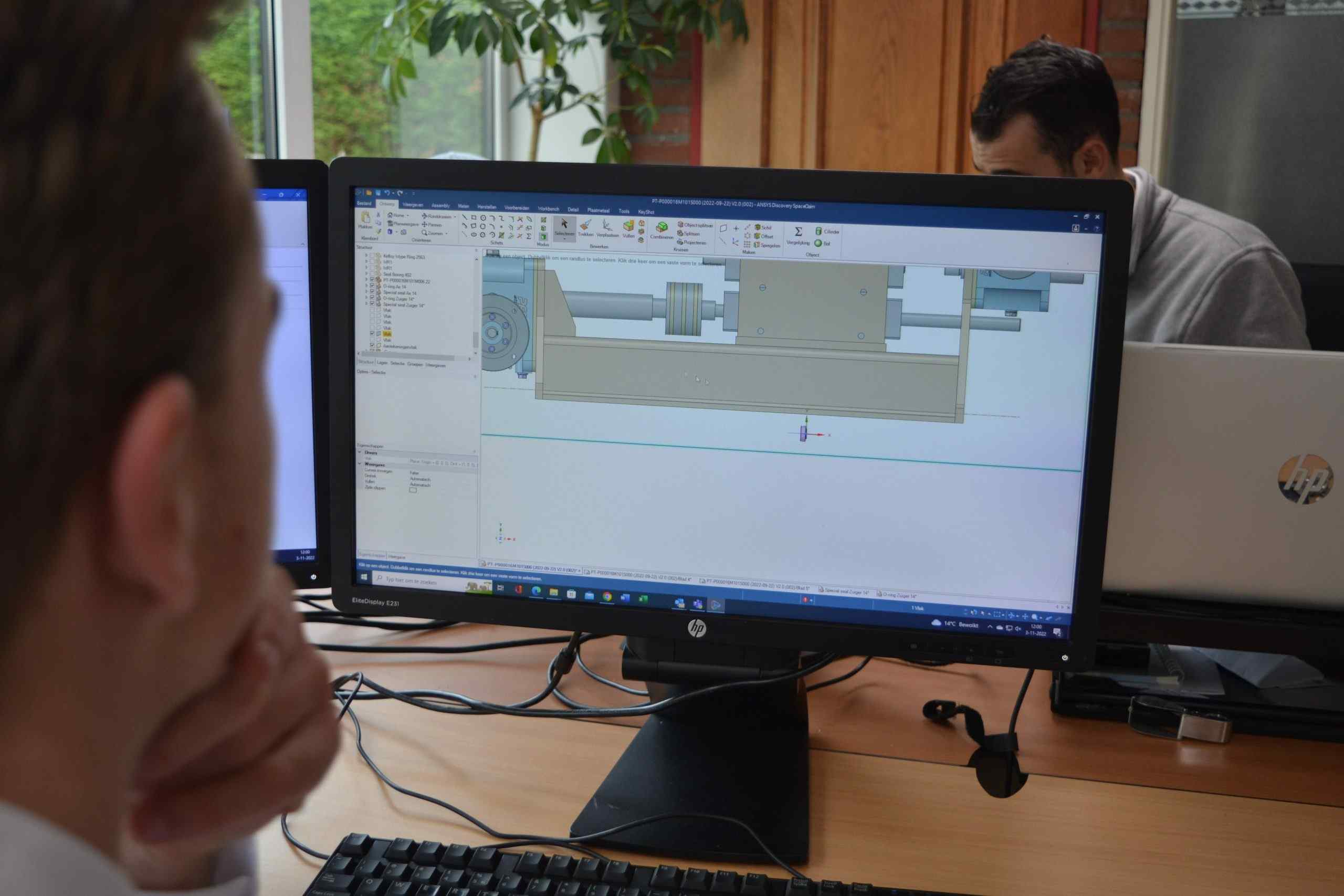
Inflatable Seal Design
Designing an inflatable seal involves a thoughtful process that takes into account various factors to ensure optimal performance.
Design Steps
Designing an inflatable seal involves a thoughtful process that takes into account various factors to ensure optimal performance. From the initial situation analysis to the final selection of materials and connectors, each step is carefully considered to meet the unique requirements of your application. Our expertise lies in understanding the sealing challenges you face and translating them into innovative design solutions. We are able to control everything from the Design to the finished product through our in-house production, allowing us to go from a concept to a finished product in record time. We will to gain valuable insights into the design process and discover how our tailored approach can help you achieve reliable and efficient sealing solutions with inflatable seals.
Situation Analysis
Shape Selection
Material Choice
Expansion Direction
Profile Configuration
Air Connector
What Variables Should You Consider?
The situation analysis plays a crucial role in the design of inflatable seals, as it involves a comprehensive evaluation of various factors to ensure effective sealing performance.

Pressure
One key aspect to consider is the pressure range within the sealing area. Understanding the operating pressure helps determine the appropriate material strength and design considerations to ensure the seal can withstand the required pressure without compromising its integrity
Media
Another important consideration is the nature of the media that the inflatable seal will come into contact with. Different media, such as gases, liquids, or abrasive substances, may require specific material choices to maintain chemical compatibility and prevent degradation or corrosion.
Operating Lifespan
The anticipated number of cycles or operating lifespan is another aspect to evaluate. Understanding the expected frequency and duration of inflation and deflation cycles helps determine the durability requirements for the seal, ensuring it can withstand repeated use over time.
Environment
The environmental conditions surrounding the sealing area are also significant considerations. For instance, if the environment is characterized by rough surfaces, contaminants, or extreme temperatures, it may influence material selection, surface treatments, or the need for additional protective measures to maintain sealing performance.
Industry
The industry in which the inflatable seal will be used plays a significant role in determining the design requirements. Different industries have unique challenges, regulations, and standards that must be considered when designing an inflatable seal.
Certification
Certification is an important consideration in inflatable seal design. Seals may require certification to meet specific standards or regulations, such as FDA compliance for food and pharmaceutical applications or UL certification for fire safety and electrical applications.
What is Importand When Selecting The Inflatable Seal Shape?
The choice of shape should be based on the specific requirements of the application. Consider the geometry of the sealing area, the functionality required, and the desired compression and sealing characteristics. By selecting the appropriate shape, the inflatable seal can effectively conform to the mating surfaces and provide an optimal seal for the intended application.

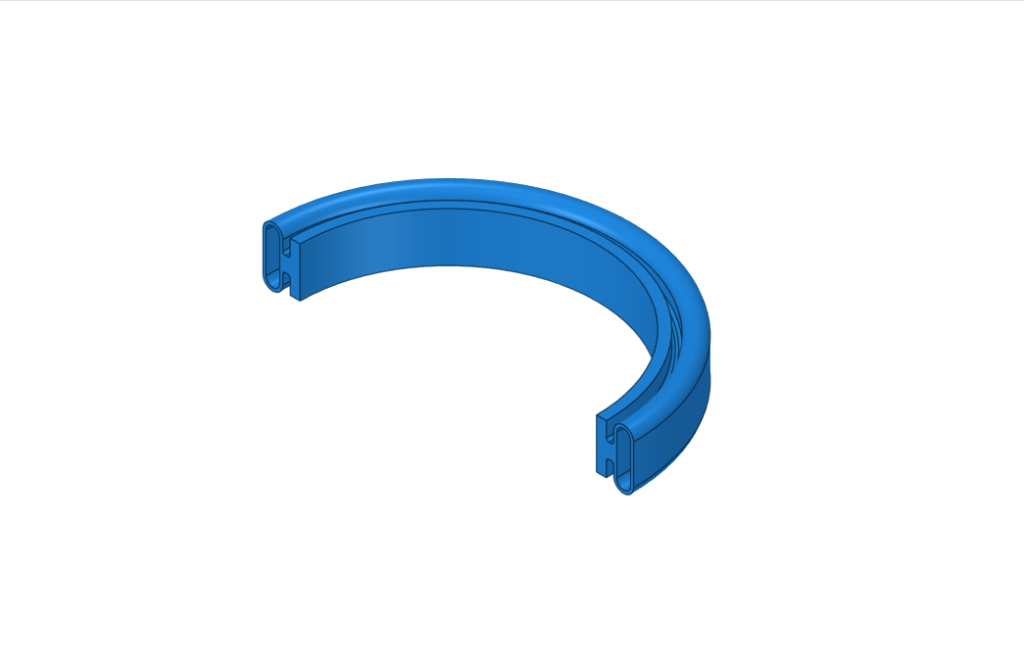
Circular
When dealing with curved or cylindrical surfaces, a circular seal is often the preferred choice. This shape ensures a consistent and uniform seal along the curved contour, accommodating the curvature of pipes, tubes, or other rounded components. Circular seals are commonly found in applications such as rotary equipment, pipe connections, or cylindrical containers.
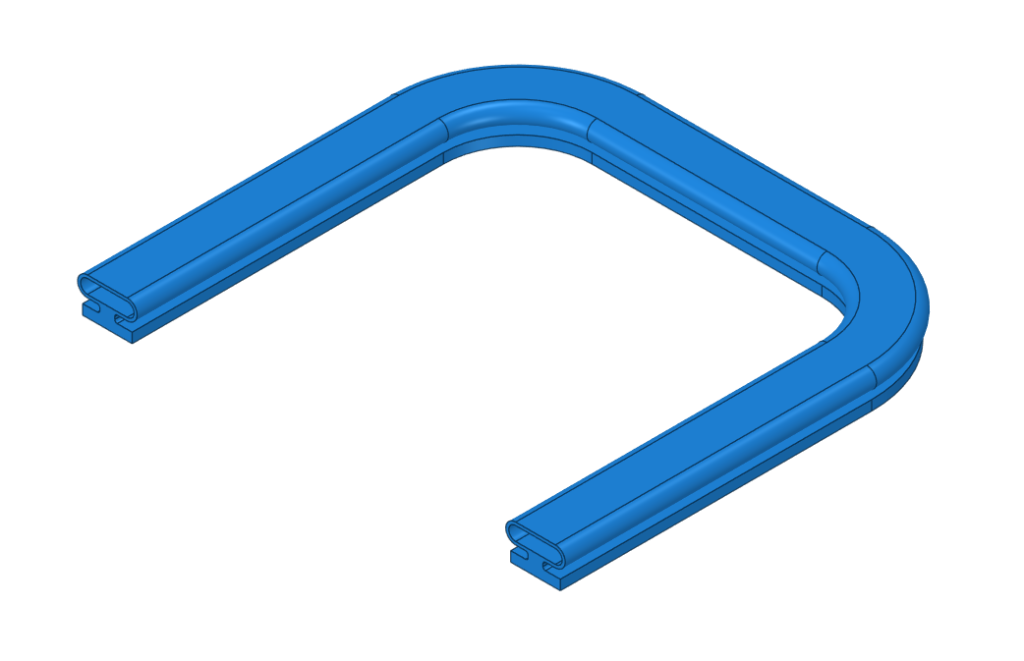
Rectangular
A rectangular seal is well-suited for applications that involve linear or rectangular sealing surfaces. Its design allows for effective coverage and sealing along the intended area. Rectangular seals are commonly used in doors, windows, or hatches.
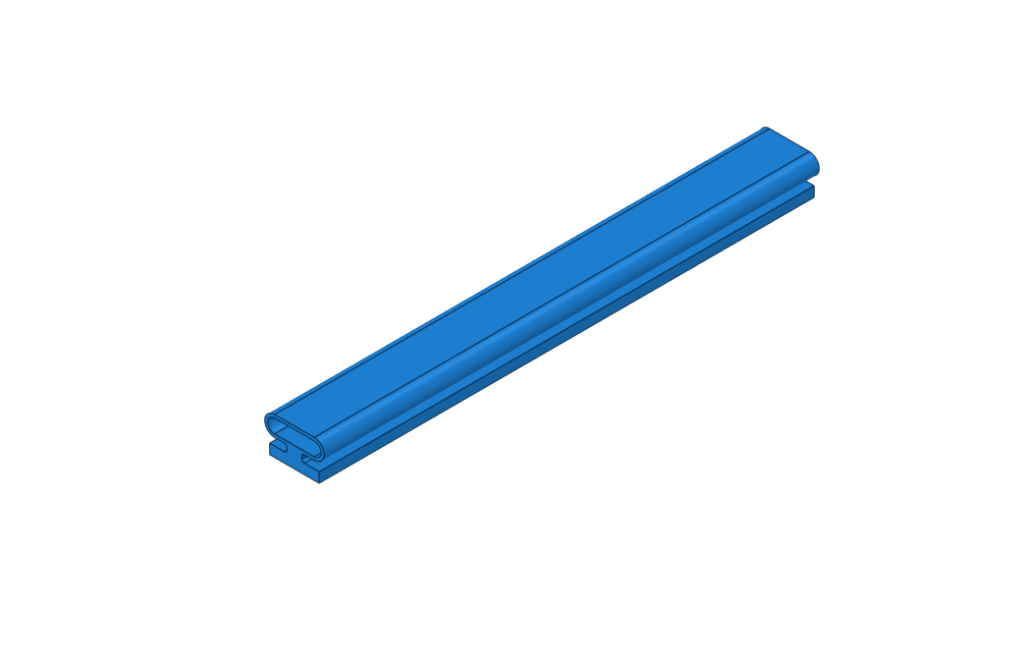
Straight
Straight seals, in the form of strips or gaskets, offer versatility in sealing applications. They are commonly used to seal gaps or irregular surfaces that may not align with a specific geometric shape. it is also frequently used or clamping brittle or fragile items. Straight seals can conform to various surface profiles, making them suitable for sealing uneven or non-standard surfaces.
What Materials are Suitable For Inflatable Seals?
When it comes to selecting materials for inflatable seals, several options are available, including EPDM, silicone, NBR (nitrile rubber), FKM and fabric-reinforced materials. Each material offers unique characteristics suitable for different sealing requirements:
EPDM
EPDM is a mechanically strong & tear resilient. It is known for its excellent weather resistance, ozone resistance. Making it an ideal material in outdoor environments and applications.
VMQ - Silicone
Silicone is known for its excellent flexibility and resistance to both high and low temperatures, silicone inflatable gaskets are commonly incorporated in food machine production lines, luxury yachts & the pharmaceutical industry
NBR
NBR is known for its excellent sealing performance and lifespan in oil based environments. Its resilience and ability to withstand petroleum-based fluids and oils make NBR seals reliable for sealing applications in the oil and gas industry and industrial machinery.
Which Direction Is The Inflatable Seal Expanding Towards?
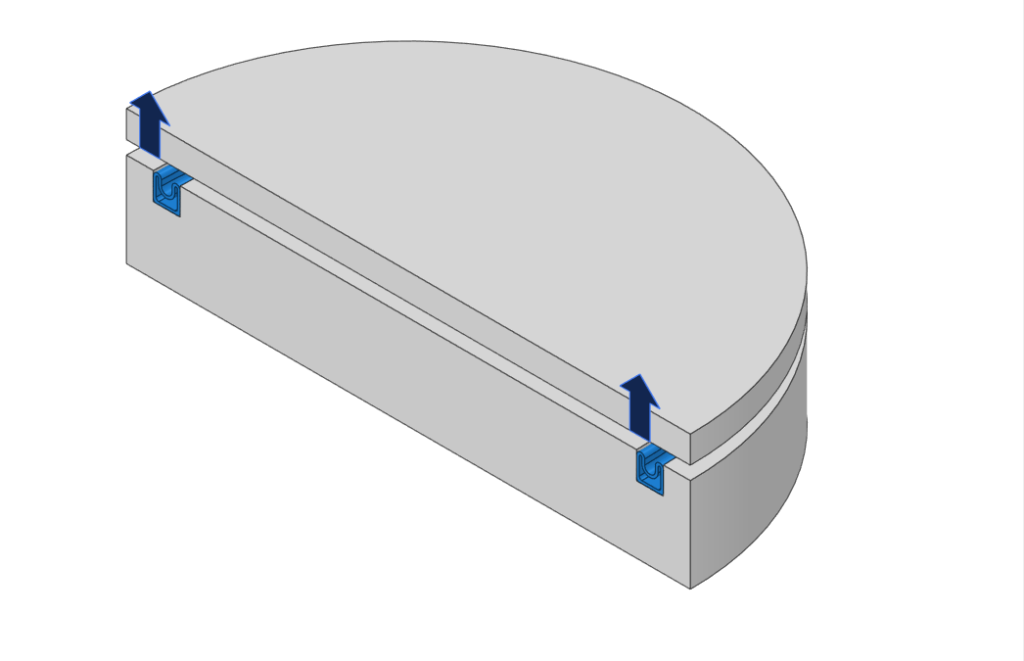
The expansion direction of inflatable seals is a crucial consideration that impacts their sealing performance in different applications. There are three primary expansion directions to consider: axial, radial in, and radial out.
Axial
Axially expanding seals are often used for sliding doors or hatches as it is not possible to get a radial seal

Radial Out
Radial out expansion is when the seal is fit in a groove around the rod or inner object and expanding outwards towards the shaft or opposite sealing surface, creating a seal or clamping the rod securely in place.

Radial In
Think of the seal getting smaller towards the middle, like when you squeeze a rubber ball. This is helpful when we want the seal to grip or hold onto something tightly. It can squeeze itself around a pipe or a rod, creating a snug and secure seal.
Profile Configuration
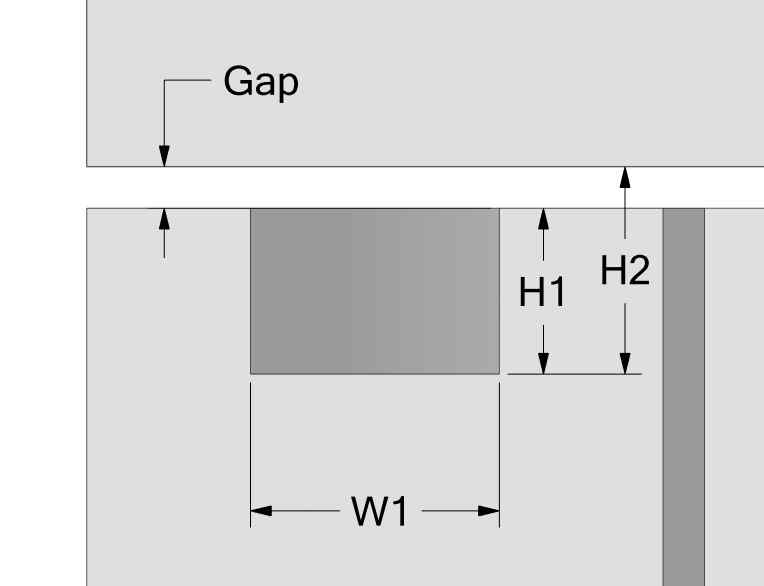
Profile configuration is a critical aspect of inflatable seal design. It involves shaping and designing the cross-section or profile of the seal.
- Gap: The gap dimension refers to the space between the two sealing surfaces that the inflatable seal needs to bridge. This dimension determines the required expansion and compression of the seal to create a proper seal.
- H1 : H1 represents the height or depth of the groove in which the inflatable seal will be placed. This dimension ensures that the seal fits securely within the groove.
- H2 : H2 is the sum of H1 and the gap. It represents the total depth of the groove, from the initial contact point to the opposing sealing surface.
- W1 : W1 refers to the width of the groove, which determines the overall size and geometry of the sealing area. This dimension influences the shape and dimensions of the inflatable seal to ensure proper fitting and effective sealing.
For all our inflatable seal profiles you can check out the link, if you would like personal advice about profile selection, don’t hessitate to contact us.
How Should I pick an Air Connector?
Air connectors are an integral component of every inflatable seal we produce at AST. They serve as the critical interface between the seal and its operational environment or system. When selecting an air connector, several factors come into play, including the material. Options such as brass, aluminum, stainless steel 304, stainless steel 316, or an elastomer hose each offer their own unique advantages and potential drawbacks.
At AST, we understand that every application is unique, and therefore, we leverage our in-house machining and extrusion capabilities to create custom air connectors. Whether you require a one-off connector for a specific project or a series of connectors for a broader application, we are equipped to deliver solutions tailored to your precise needs. This commitment to customization and quality ensures that our inflatable seals perform optimally in their intended applications.

Plain Tube

Male threaded-tube

Plain tube Oring